/ Next post
8 April, 2026


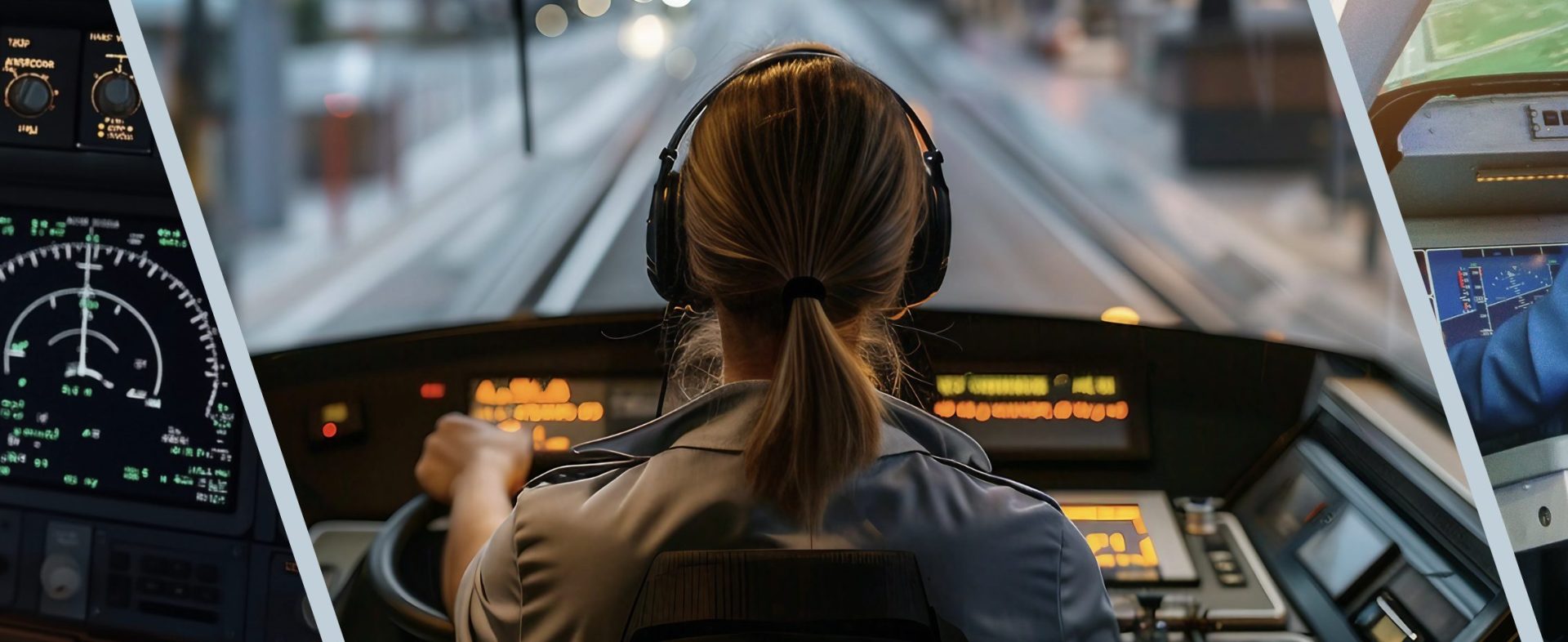
Simulator teams often assume that adding new technology means tearing out panels, redesigning hardware, or rewriting software to make room for it. It’s an understandable concern. Most training systems are finely tuned environments where even small changes can cause big disruptions.
But in practice, adding eye tracking data doesn’t require that kind of overhaul. Modern eye tracking systems are built to work with the infrastructure already in place, layering synchronized attention data onto existing instructor and debrief tools.
You keep your cockpit layout, displays, and analysis software exactly as they are. What changes is what you can see: how trainees distribute attention, manage workload, and respond under pressure. The new data complements the performance metrics you already collect, helping instructors understand the reasoning behind each action.
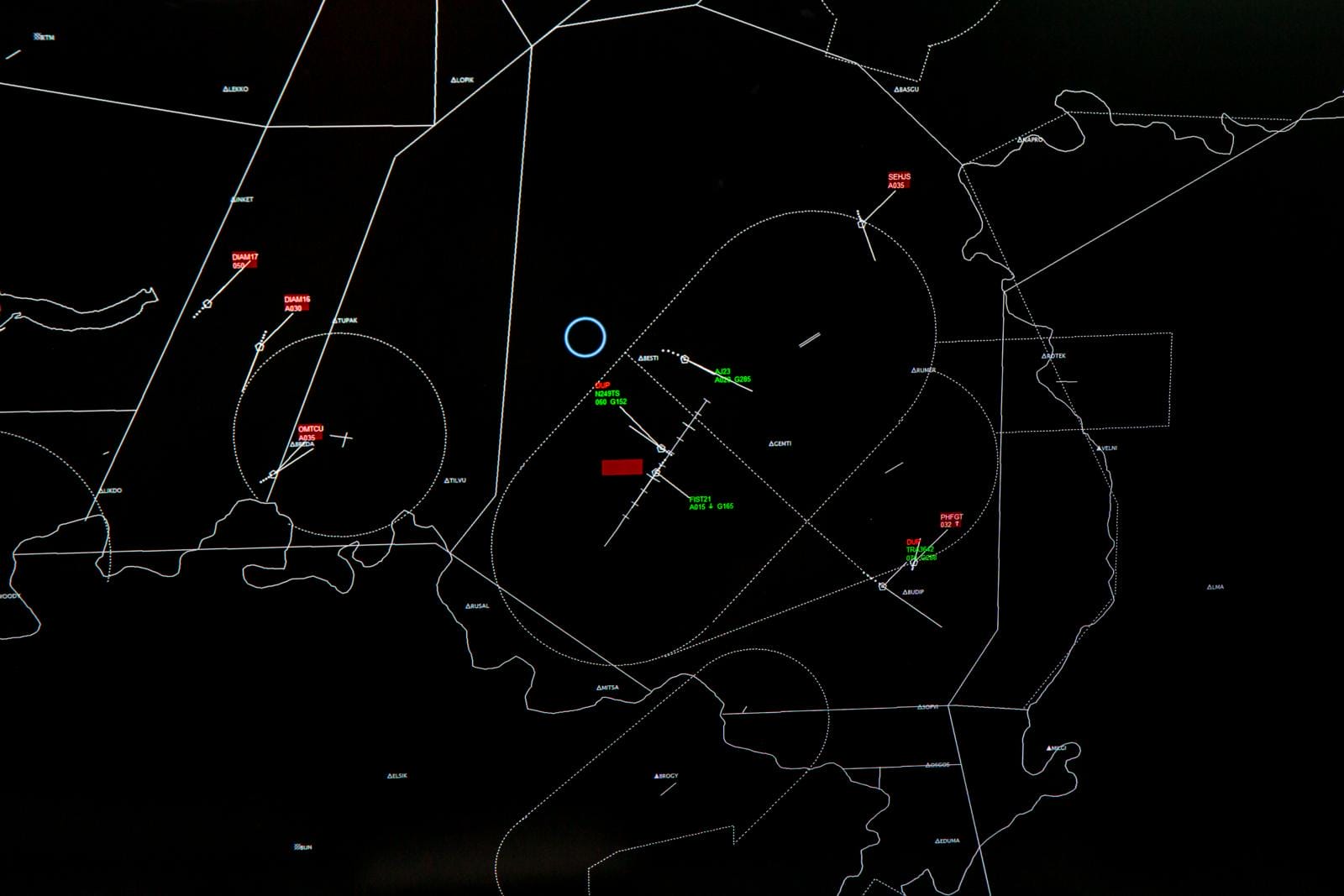
Over the past several years, Smart Eye’s integration teams have seen the same patterns repeat across aviation, rail, and air traffic control simulators. The toughest part of integration usually isn’t technical compatibility, but making sure the setup fits the way people actually train.
The integrations that go smoothly tend to follow a few simple principles:
1. Stay invisible to the trainee.
Hardware should never interfere with the realism of training. Eye tracking systems that use compact, remote cameras and simple, one-time calibration keep operators focused on the task, not the technology.
2. Sync to the simulator clock.
Attention data is only useful when it aligns perfectly with simulator events. The most effective eye tracking setups feed gaze and head data into the same timebase as other performance metrics, so instructors can replay awareness and actions together on a single timeline.
3. Meet instructors where they already work.
No one needs another dashboard. Integrations that show attention data directly within existing instructor or debrief tools are adopted faster and used more consistently.
The best integrations account for both the technical setup and the human workflow, so the data fits naturally into daily training.
No two simulators are alike, and that’s exactly why integration flexibility matters. Training systems evolve over years, often combining hardware and software from different vendors. Effective integrations work within that mix and enhance what’s already there.
Smart Eye’s solution is designed with that flexibility in mind. It connects smoothly with a range of training management and analysis tools, feeding synchronized attention data into the platforms instructors already use. Many organizations pair it with solutions from partners like Hinfact or Eye Tracking Inc., combining Smart Eye’s tracking data with behavioral and performance analytics for a more complete view of operator performance.
The strongest results come when engineers and instructors collaborate from the start. Early involvement helps shape data collection around what really matters in each scenario, ensuring the information is relevant from day one. Over time, the technology blends into everyday routines and becomes a normal part of how training runs.
Simulators are controlled environments by design, but they still reflect the messiness of the real world. Lighting may change as the day goes on, reflections shift across glass surfaces, and operators move naturally during a session. Those small variations can affect how tracking systems perform, so the hardware and software have to be prepared for them.
Smart Eye tests its systems in full-motion simulators, multi-display control rooms, and cockpits with variable light and vibration to make sure accuracy holds where it matters. To stay reliable in these conditions, the system is designed to handle:
• Mixed lighting: Infrared illumination compensates for changing or uneven light sources.
• Reflections and vibration: Tolerant optics maintain stable tracking even under changing light conditions or in motion.
• Calibration stability: The system maintains accurate tracking throughout the session, even as conditions shift.
Once installed, the tracking runs quietly in the background, session after session, giving instructors dependable data without adding new complications.
When attention data becomes part of simulator training, it changes how instructors review performance. Instead of relying only on control inputs or task timelines, instructors can see exactly where focus shifted, how long it stayed there, and what might have been missed.
That extra context makes feedback clearer and more consistent. It helps distinguish between a misunderstanding and a lapse in attention, between a skill issue and a moment of overload. Over time, those distinctions lead to faster learning and fewer repeated errors.
For training teams, the value is continuity. Eye tracking data carries across sessions and scenarios, giving instructors a common reference for evaluating awareness and workload management. It supports evidence-based and competency-based training without disrupting existing workflows.
When integration is done well, the technology strengthens what instructors already do best: observe, interpret, and guide. It gives them one more reliable way to understand performance as it happens.
The success of a simulator integration often shows in what you don’t notice. When eye tracking is built in properly, it runs quietly in the background while giving instructors a clear, consistent view of how awareness and performance connect.
For a closer look at how eye tracking fits into training systems and debrief tools, read our hands-on guide Using Eye Tracking to Improve Operator Training.
Once integrated, the real question becomes what difference attention data makes in day-to-day training. That’s where we’ll pick up next.
If you’re exploring ways to integrate attention data into your training systems, Smart Eye’s eye tracking solutions are built to fit naturally into existing simulators and analysis tools. Contact us to learn more.
